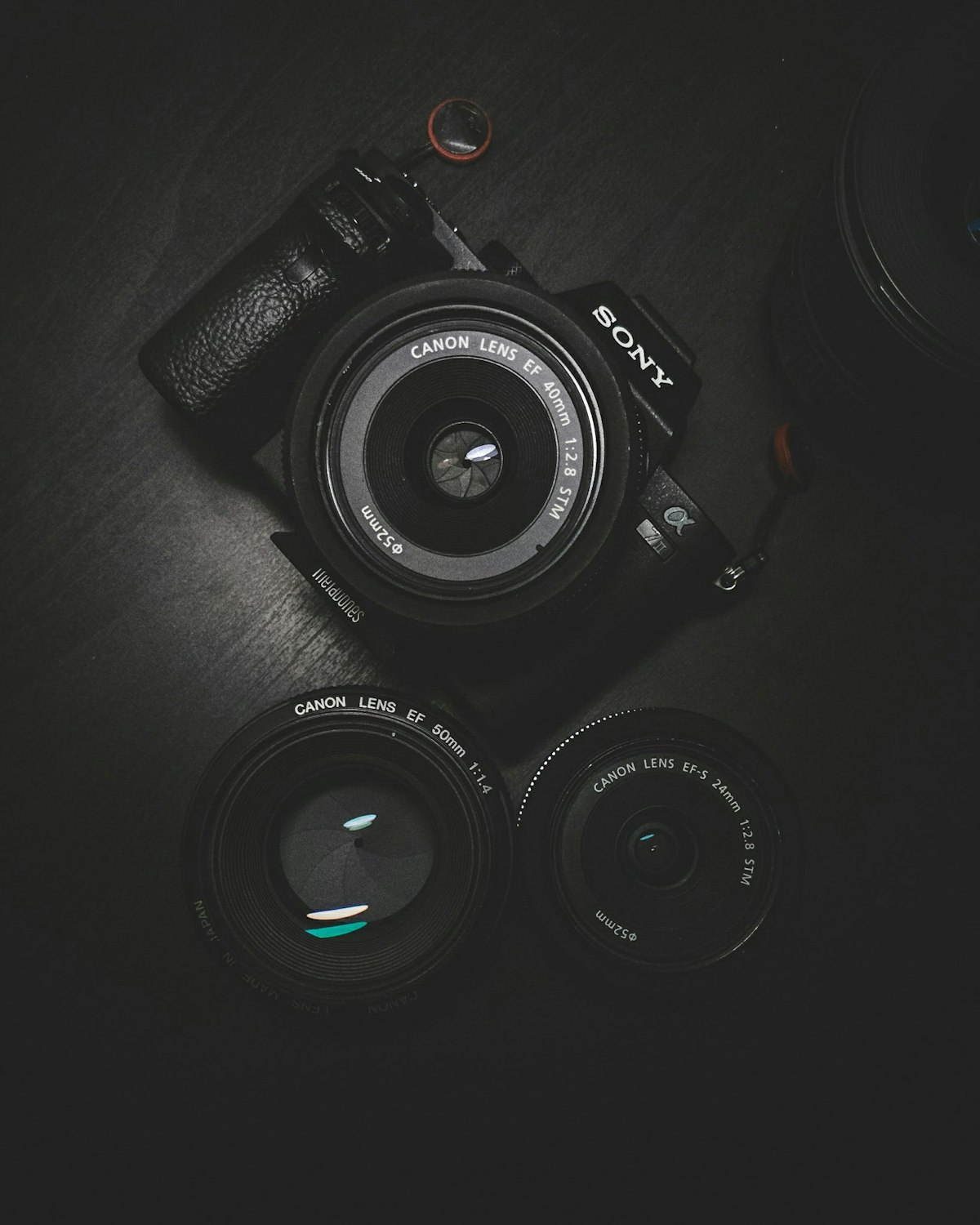
Essential Camera Settings
Photographing the aurora requires capturing as much light as possible in a short exposure. The aurora moves, so exposures longer than 15-20 seconds will blur the curtain structures.
Recommended Starting Settings
- ISO: 1600-3200 (increase for faint aurora, decrease for bright)
- Aperture: f/2.8 or wider (f/1.4-f/2.0 is ideal)
- Shutter speed: 8-15 seconds for structured aurora, up to 25 seconds for faint activity
- Focus: Manual focus set to infinity (use live view on a bright star to nail focus)
- White balance: Auto or 3500-4000K (adjustable in post if shooting RAW)
Adapting to Conditions
The aurora varies dramatically in brightness. A Kp 2 display might need ISO 3200 and 15 seconds, while a Kp 6 storm can be captured at ISO 800 and 4 seconds. Adjust as conditions change — review your shots regularly.
Fast-moving aurora (Kp 5+) requires shorter exposures (4-8 seconds) to capture the curtain structure. Longer exposures smear the movement into a green blur.
Faint aurora needs longer exposures and higher ISO. Push to ISO 6400 if needed, but expect more noise.
Equipment
Camera
Any camera with manual controls and good high-ISO performance works. Full-frame DSLRs and mirrorless cameras excel, but modern APS-C sensors produce excellent results too.
Lens
Wide-angle lenses (14-24mm) capture more sky. A fast aperture (f/2.8 or wider) is critical — the difference between f/2.8 and f/4 is one full stop of light.
Tripod
Non-negotiable. Any exposure over 1 second requires a tripod. A sturdy one that handles Icelandic wind is worth the investment. Weight it down with your backpack in strong gusts.
Extras
- Spare batteries: Cold drains batteries fast. Keep spares in an inside pocket close to your body.
- Remote shutter or 2-second timer: Prevents camera shake from pressing the button.
- Headlamp with red mode: Preserves night vision while adjusting settings.
Phone Photography
Modern flagship phones can capture the aurora. Use night mode or pro/manual mode:
- iPhone: Night mode automatically activates. Prop the phone against something stable or use a phone tripod mount. Exposure times of 3-10 seconds.
- Android: Use the pro/manual camera mode. Set ISO to 1600-3200, shutter to 8-15 seconds, and focus to infinity. A phone tripod mount is essential.
Results will not match a dedicated camera, but bright aurora (Kp 4+) can produce impressive phone photos.
Composition Tips
The aurora alone makes a good photo. The aurora over an iconic landscape makes a great one. Iceland offers exceptional foreground subjects:
- Kirkjufell Mountain with Kirkjufellsfoss waterfall — the classic Iceland aurora shot
- Jokulsarlon icebergs reflecting aurora — surreal, otherworldly results
- Thingvellir’s continental rift plates — geology meets space weather
- Churches and lighthouses — human scale against the cosmic display
Include something in the foreground. A silhouetted figure, a road leading into the distance, or a body of water reflecting the light all add depth and scale.
Post-Processing
Shoot in RAW format for maximum flexibility. In post-processing:
- Boost green and cyan channels to enhance aurora color
- Reduce noise with luminance noise reduction
- Adjust white balance — cooler (bluer) temperatures make the green pop
- Be careful not to over-saturate — the aurora is naturally vivid, and over-processing looks artificial
Check live aurora conditions on our Tonight page to know when to head out with your camera.