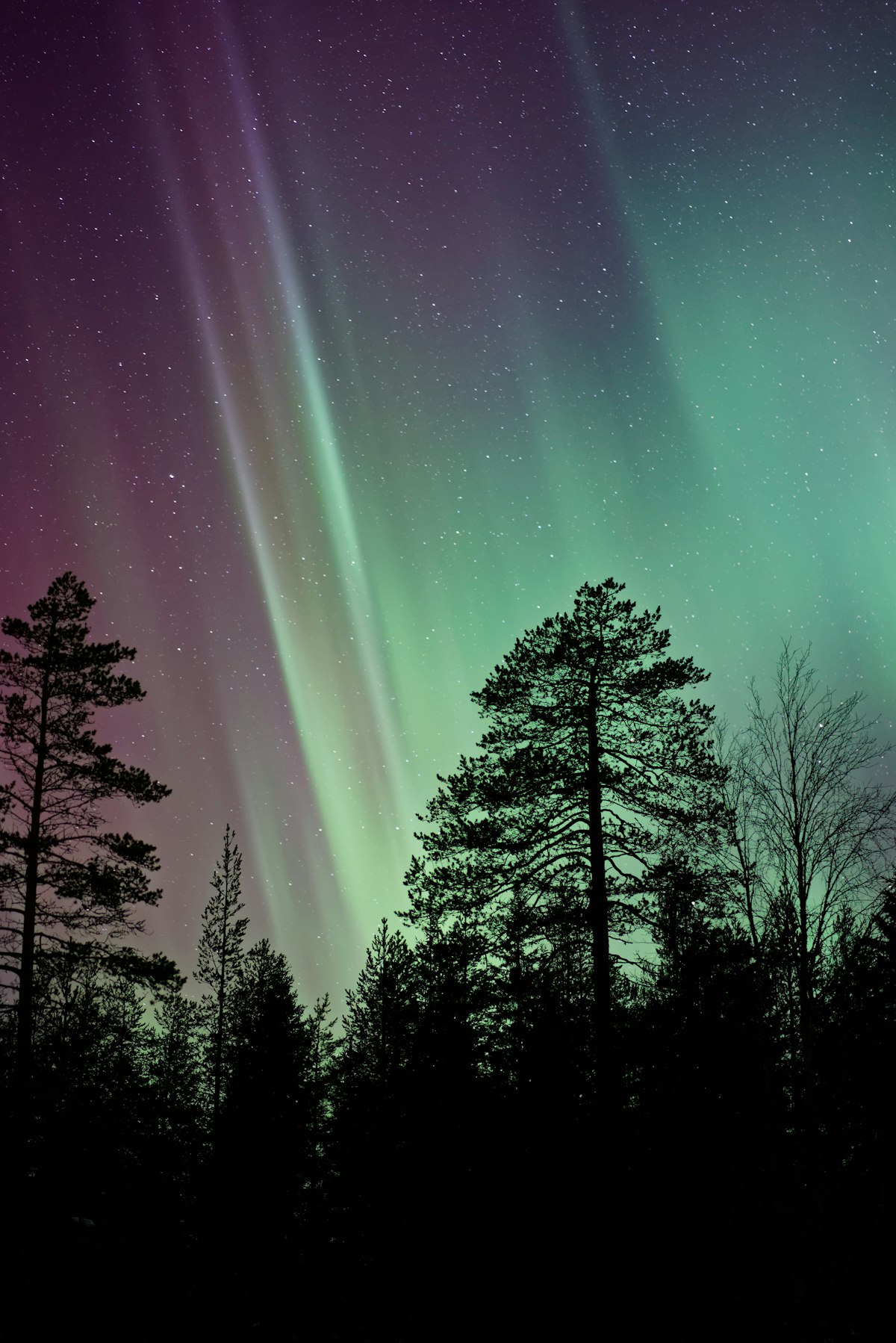
Aurora Season: September Through March
The northern lights are visible in Iceland from late August through mid-April. Peak season runs from September through March, when nights are long enough for aurora observation. The key factor is darkness — the aurora is always happening overhead during solar activity, but you need dark skies to see it.
Iceland sits between 63 and 66 degrees north latitude, directly under the auroral oval. This geographic advantage means aurora can appear even during periods of modest geomagnetic activity that would be invisible from lower latitudes.
Month-by-Month Breakdown
September and October are excellent months. Nights return after the midnight sun, skies are often clear, and the equinox effect boosts geomagnetic activity. Temperatures are mild (5-10 degrees Celsius), making it comfortable to stand outside and watch.
November through January brings the longest nights, with up to 19 hours of darkness around the winter solstice. However, these months also bring more cloud cover and storms, which can block the view. When skies do clear, the extended darkness gives you many hours of opportunity.
February and March offer a strong combination of returning light (for safer driving) while still having plenty of dark hours. The spring equinox effect again boosts geomagnetic coupling. Many experienced aurora hunters consider these the best months overall.
Best Time of Night
Peak aurora activity typically occurs between 10 PM and 2 AM (GMT), roughly around local magnetic midnight. However, aurora can appear any time it is truly dark. In midwinter, darkness arrives by 4 PM, so early-evening displays are possible.
Activity tends to come in waves called substorms, lasting 20-60 minutes, separated by quiet periods. Patience is essential — a quiet sky at 10 PM can erupt into vivid green curtains by 11 PM.
What Affects Visibility
Three factors determine whether you will see the aurora on any given night:
Geomagnetic activity (measured by the Kp index) drives the aurora. A Kp of 2-3 is sufficient in Iceland. Higher values produce more vivid, faster-moving displays.
Cloud cover is the biggest practical obstacle. The aurora occurs at 100-300 km altitude, so any cloud layer blocks it completely. Check real-time cloud maps before heading out.
Darkness is necessary for observation. Civil twilight ends when the sun drops 6 degrees below the horizon. Moon phase also matters — a full moon reduces contrast, though bright aurora remains visible even under moonlight.
Planning Your Trip
If aurora viewing is the primary goal of your trip to Iceland, aim for a stay of at least 4-5 nights during peak season. This gives you enough chances to hit clear skies. Base yourself near Reykjavik for accessibility, but plan to drive 30-60 minutes to reach darker locations like Thingvellir National Park or the Reykjanes Peninsula.
Use the Aurora Iceland app to track real-time conditions and get alerts when the aurora is active. Check our Tonight page for live conditions before heading out.